WILLDLIFE

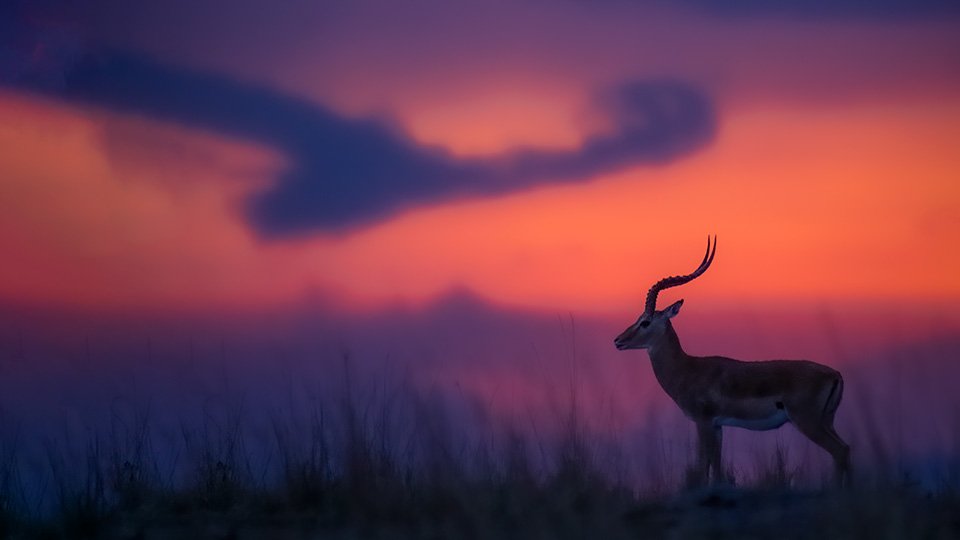
Wild Animals

The wild is calling, and it has vital lessons to share.

Our planet’s incredible array of wildlife is not just fascinating to observe; it’s a crucial indicator of our Earth’s health.

Each species, each ecosystem, contributes to the delicate balance that sustains us all.

By exploring the lives of wild creatures, we gain invaluable knowledge about resilience, adaptation, and the interconnectedness of life.

This website is your gateway to understanding this vital world, appreciating its beauty, and learning how we can all play a part in its preservation.

Join us to discover the power and wisdom of wildlife.

Wild Animals Read More »

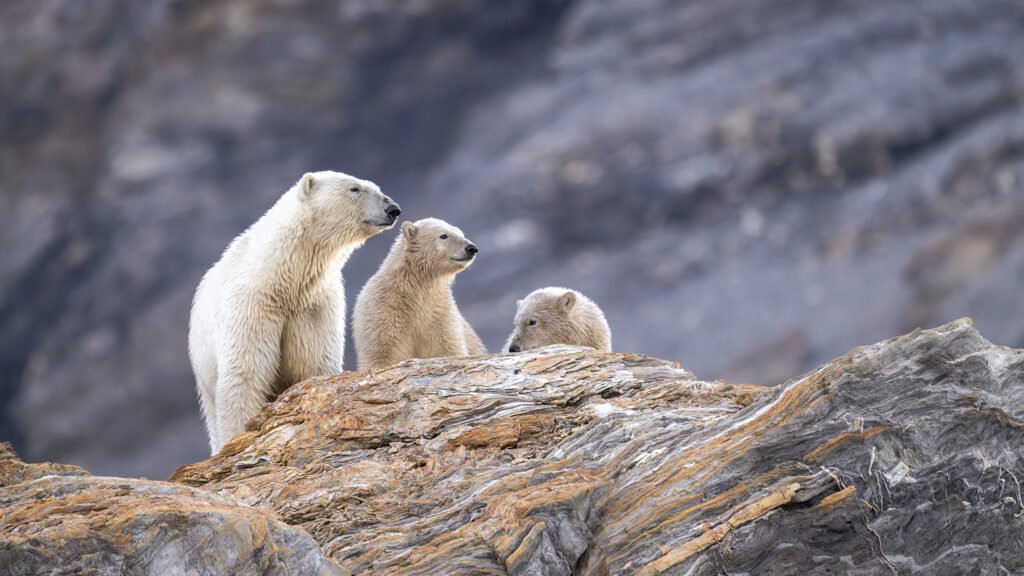
About Polar Bears

Polar Bear – The Arctic’s Apex Predator

The polar bear (Ursus maritimus) is one of the most iconic and powerful carnivores on the planet.

Native to the Arctic Circle, polar bears are uniquely adapted to survive in extreme cold, icy waters, and vast tundras.

As the world’s largest land carnivore, the polar bear plays a critical role in maintaining the health of the Arctic ecosystem.

Where Do Polar Bears Live?

Polar bears live in the Arctic regions of Canada, Alaska (USA), Greenland, Russia, and Norway (Svalbard).

They rely heavily on sea ice to hunt, breed, and migrate.

As ice melts due to climate change, polar bears are forced to travel longer distances in search of food.

What Do Polar Bears Eat?

Polar bears are obligate carnivores with a diet focused primarily on:

Seals (especially ringed and bearded seals)

Occasionally walrus, beluga whale carcasses, and birds

When food is scarce, they may scavenge on vegetation or human waste

Polar Bear Characteristics

Weight: Males can weigh up to 1,600 pounds (720 kg)

Length: Up to 10 feet (3 meters)

Fur appears white but is actually translucent and helps with camouflage

Thick blubber layer provides insulation

Strong swimmers – can swim for days across icy waters

Are Polar Bears Endangered?

Polar bears are classified as vulnerable by the IUCN.

Their survival is threatened by:

Climate change – sea ice is rapidly disappearing

Pollution – toxins accumulate in Arctic food chains

Oil drilling and shipping disturb natural habitats

Human-wildlife conflict in coastal settlements

Polar Bear Facts – Did You Know?

They can smell seals from over 1 km away under thick snow

Polar bears can swim over 100 km without rest

Their skin is actually black to absorb and retain heat

They are almost entirely carnivorous—the most carnivorous of all bear species

Best Places to See Polar Bears in the Wild

Churchill, Manitoba (Canada) – nicknamed the “Polar Bear Capital of the World”

Svalbard, Norway – excellent for Arctic wildlife tours

Wrangel Island, Russia – UNESCO World Heritage Site

Alaska, USA – remote locations like Kaktovik

Why Protect Polar Bears?

Polar bears are a keystone species in the Arctic.

Their decline signals dramatic changes in the ecosystem due to global warming.

By protecting polar bears, we also protect countless other species and the future of the Arctic.

About Polar Bears Read More »

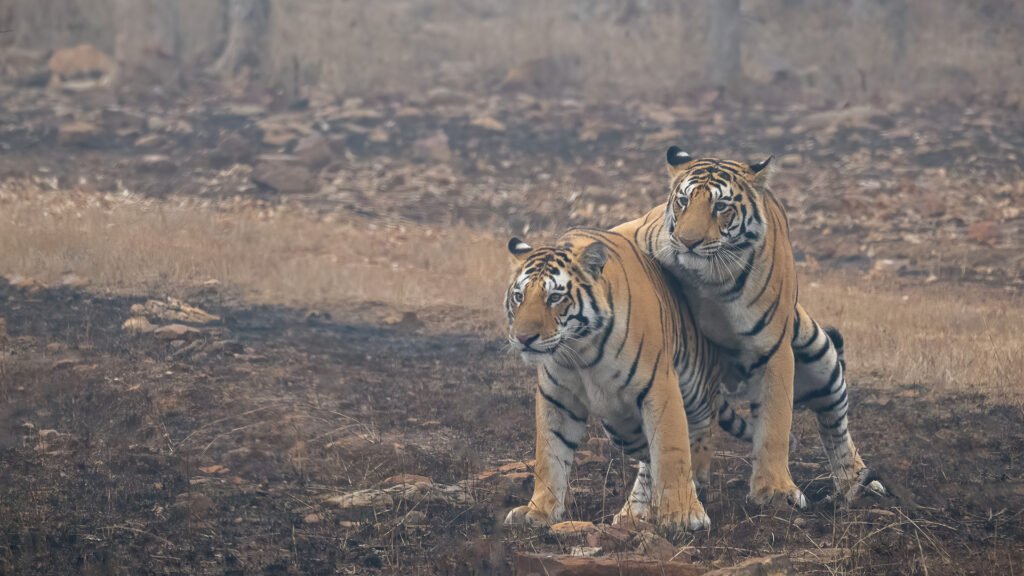
Tigers are powerful hunters with sharp teeth, strong jaws and agile bodies. They are the largest terrestrial mammal whose diet consists entirely of meat; the largest tiger ever recorded was an Amur tiger.

About Tigers

Tiger – The Majestic Big Cat of the Wild

The tiger (Panthera tigris) is the largest species among the wild cats and one of the most iconic predators in the animal kingdom.
Known for its bold black stripes over an orange coat, the tiger is a symbol of strength, grace, and raw power.
This apex predator plays a critical role in maintaining the ecological balance of its habitat.

Tiger Species and Subspecies

Bengal Tiger (Panthera tigris tigris) – Found primarily in India

Siberian Tiger (Panthera tigris altaica) – Also known as the Amur tiger

Indochinese Tiger (Panthera tigris corbetti) – Native to Southeast Asia

Malayan Tiger (Panthera tigris jacksoni) – Found in Malaysia

South China Tiger (Panthera tigris amoyensis) – Possibly extinct in the wild

Sumatran Tiger (Panthera tigris sumatrae) – Smallest subspecies

Where Do Tigers Live? | Tiger Habitat

Tigers live in a range of habitats including:

Tropical rainforests

Grasslands

Mangrove swamps

Temperate forests

Major tiger habitats are located in India, Russia, Indonesia, Nepal, Bhutan, China, and Southeast Asia.

What Do Tigers Eat? | Tiger Diet

Tigers are obligate carnivores. Their diet consists of:

Deer (sambar, chital, barking deer)

Indian Gaur

Wild boar

Cattles

Occasionally birds, monkeys, and reptiles

Tiger Behavior and Traits

Solitary and territorial

Excellent swimmers

Roars can be heard up to 3 km away

Use scent marking and scratch marks to communicate

Mainly active at dawn and dusk (crepuscular)

Tiger Facts – Did You Know?

Each tiger has a unique stripe pattern—like a fingerprint

Tigers can run up to 60 km/h in short bursts

White tigers are Bengal tigers with a rare gene mutation

Are Tigers Endangered? | Conservation Status

Yes, tigers are endangered. Fewer than 4,000 remain in the wild due to:

Habitat loss and fragmentation

Poaching for illegal wildlife trade

Human-wildlife conflict

Conservation Efforts

Protected tiger reserves (e.g., India’s Project Tiger)

Anti-poaching measures

Community involvement and awareness campaigns

Habitat restoration and corridor development

Best Places to See Tigers in the Wild

India is one of the best places in Asia to see tigers.
The tiger reserves in India were set up as a part of Project Tiger initiated in 1973 and are administered by the National Tiger Conservation Authority (NTCA) of Government of India.
Pan-India, there are 58 protected areas that have been designated as tiger reserves.

Conclusion

The tiger is more than just a beautiful predator—it’s a keystone species that reflects the health of ecosystems.
Supporting tiger conservation means protecting biodiversity, forests, and the future of our natural world.

About Tigers Read More »

error: Content is protected !!