
BIGCATS

Wild Animals
The wild is calling, and it has vital lessons to share.
Our planet’s incredible array of wildlife is not just fascinating to observe; it’s a crucial indicator of our Earth’s health.
Each species, each ecosystem, contributes to the delicate balance that sustains us all.
By exploring the lives of wild creatures, we gain invaluable knowledge about resilience, adaptation, and the interconnectedness of life.
This website is your gateway to understanding this vital world, appreciating its beauty, and learning how we can all play a part in its preservation.
Join us to discover the power and wisdom of wildlife.
About Tigers
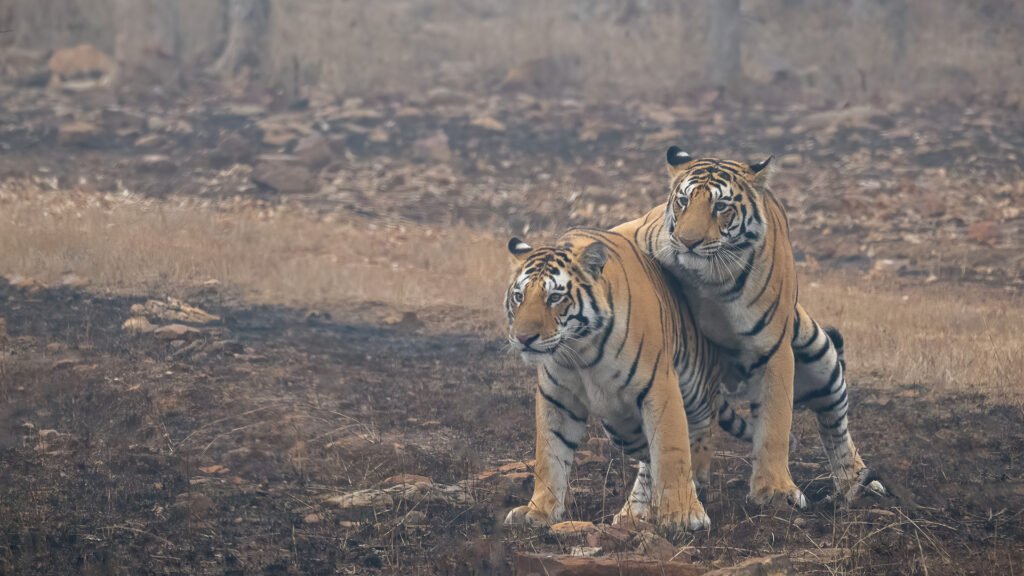
Tiger – The Majestic Big Cat of the Wild
The tiger (Panthera tigris) is the largest species among the wild cats and one of the most iconic predators in the animal kingdom.
Known for its bold black stripes over an orange coat, the tiger is a symbol of strength, grace, and raw power.
This apex predator plays a critical role in maintaining the ecological balance of its habitat.
Tiger Species and Subspecies
Bengal Tiger (Panthera tigris tigris) – Found primarily in India
Siberian Tiger (Panthera tigris altaica) – Also known as the Amur tiger
Indochinese Tiger (Panthera tigris corbetti) – Native to Southeast Asia
Malayan Tiger (Panthera tigris jacksoni) – Found in Malaysia
South China Tiger (Panthera tigris amoyensis) – Possibly extinct in the wild
Sumatran Tiger (Panthera tigris sumatrae) – Smallest subspecies
Where Do Tigers Live? | Tiger Habitat
Tigers live in a range of habitats including:
Tropical rainforests
Grasslands
Mangrove swamps
Temperate forests
Major tiger habitats are located in India, Russia, Indonesia, Nepal, Bhutan, China, and Southeast Asia.
What Do Tigers Eat? | Tiger Diet
Tigers are obligate carnivores. Their diet consists of:
Deer (sambar, chital, barking deer)
Indian Gaur
Wild boar
Cattles
Occasionally birds, monkeys, and reptiles
Tiger Behavior and Traits
Solitary and territorial
Excellent swimmers
Roars can be heard up to 3 km away
Use scent marking and scratch marks to communicate
Mainly active at dawn and dusk (crepuscular)
Tiger Facts – Did You Know?
Each tiger has a unique stripe pattern—like a fingerprint
Tigers can run up to 60 km/h in short bursts
White tigers are Bengal tigers with a rare gene mutation
Are Tigers Endangered? | Conservation Status
Yes, tigers are endangered. Fewer than 4,000 remain in the wild due to:
Habitat loss and fragmentation
Poaching for illegal wildlife trade
Human-wildlife conflict
Conservation Efforts
Protected tiger reserves (e.g., India’s Project Tiger)
Anti-poaching measures
Community involvement and awareness campaigns
Habitat restoration and corridor development
Best Places to See Tigers in the Wild
India is one of the best places in Asia to see tigers.
The tiger reserves in India were set up as a part of Project Tiger initiated in 1973 and are administered by the National Tiger Conservation Authority (NTCA) of Government of India.
Pan-India, there are 58 protected areas that have been designated as tiger reserves.
Conclusion
The tiger is more than just a beautiful predator—it’s a keystone species that reflects the health of ecosystems.
Supporting tiger conservation means protecting biodiversity, forests, and the future of our natural world.